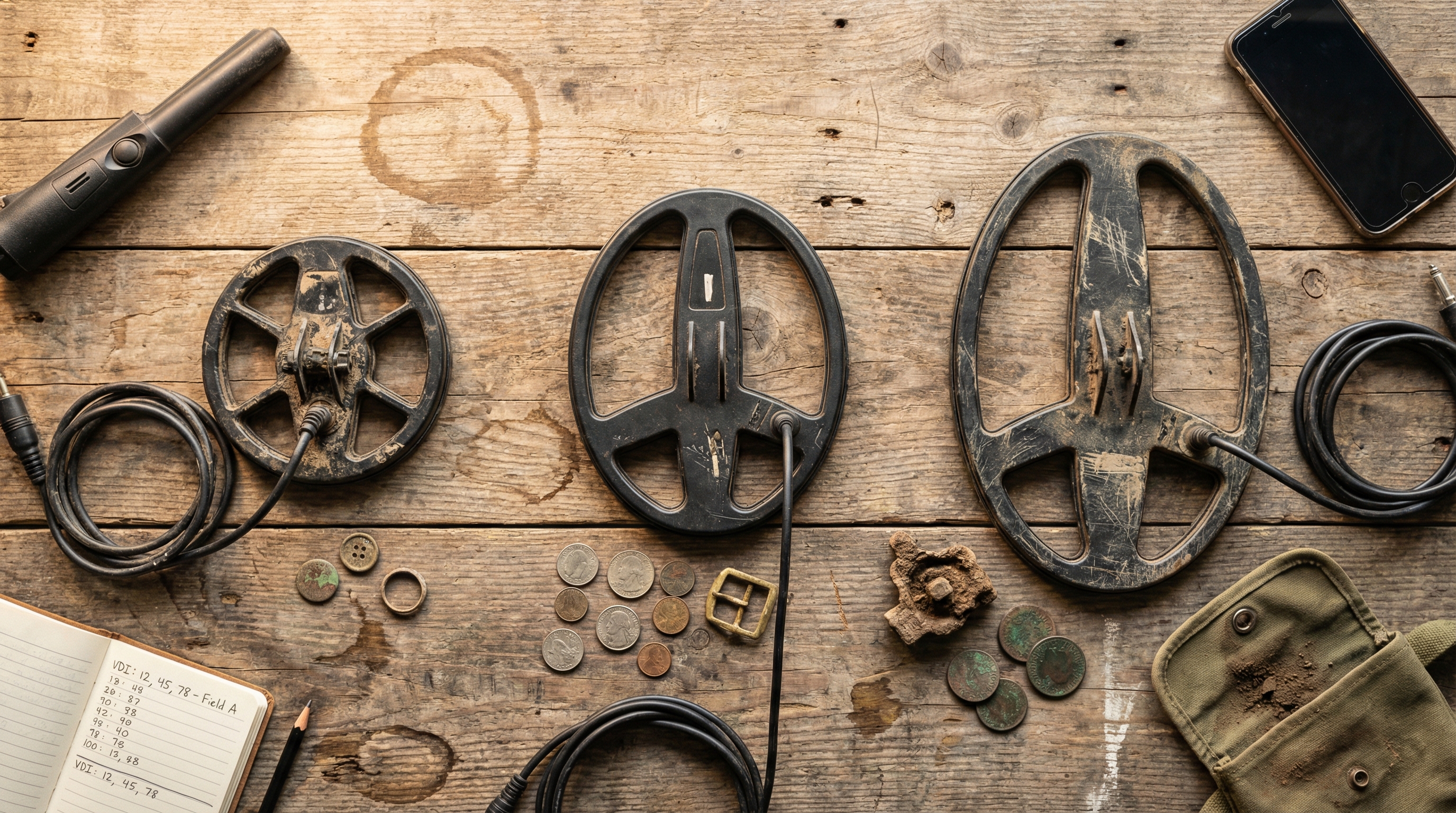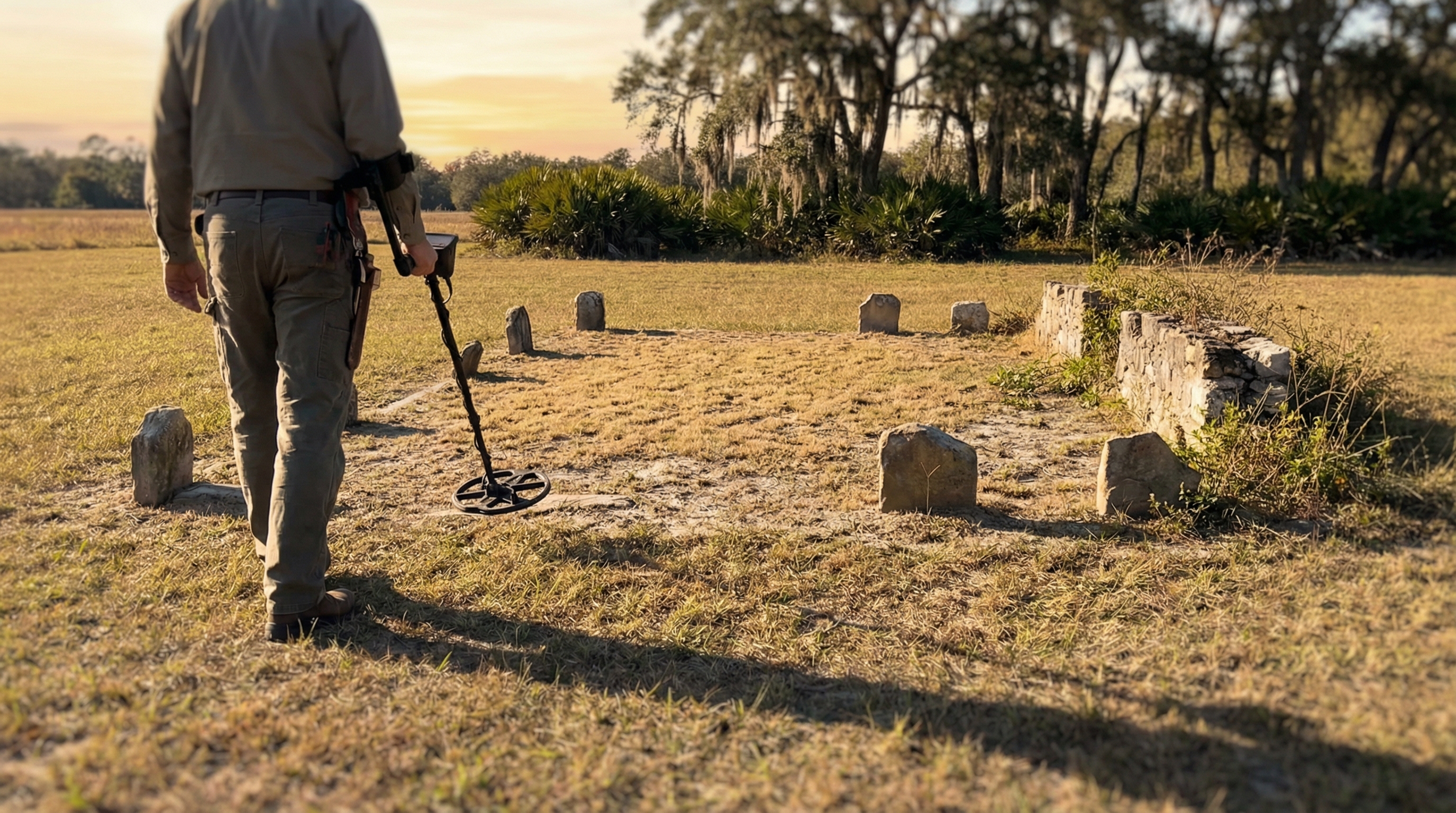
There's a moment every detectorist runs into sooner or later.
You pull something out of the ground, and for a second, you're not even sure what it is. It's covered in dirt, maybe corroded, maybe fragile, but you can tell it's old. And almost immediately, your focus shifts from finding it to something else entirely:
Don't mess this up.
Because once it's out of the ground, what you do next matters just as much as finding it in the first place.
The Hard Lesson
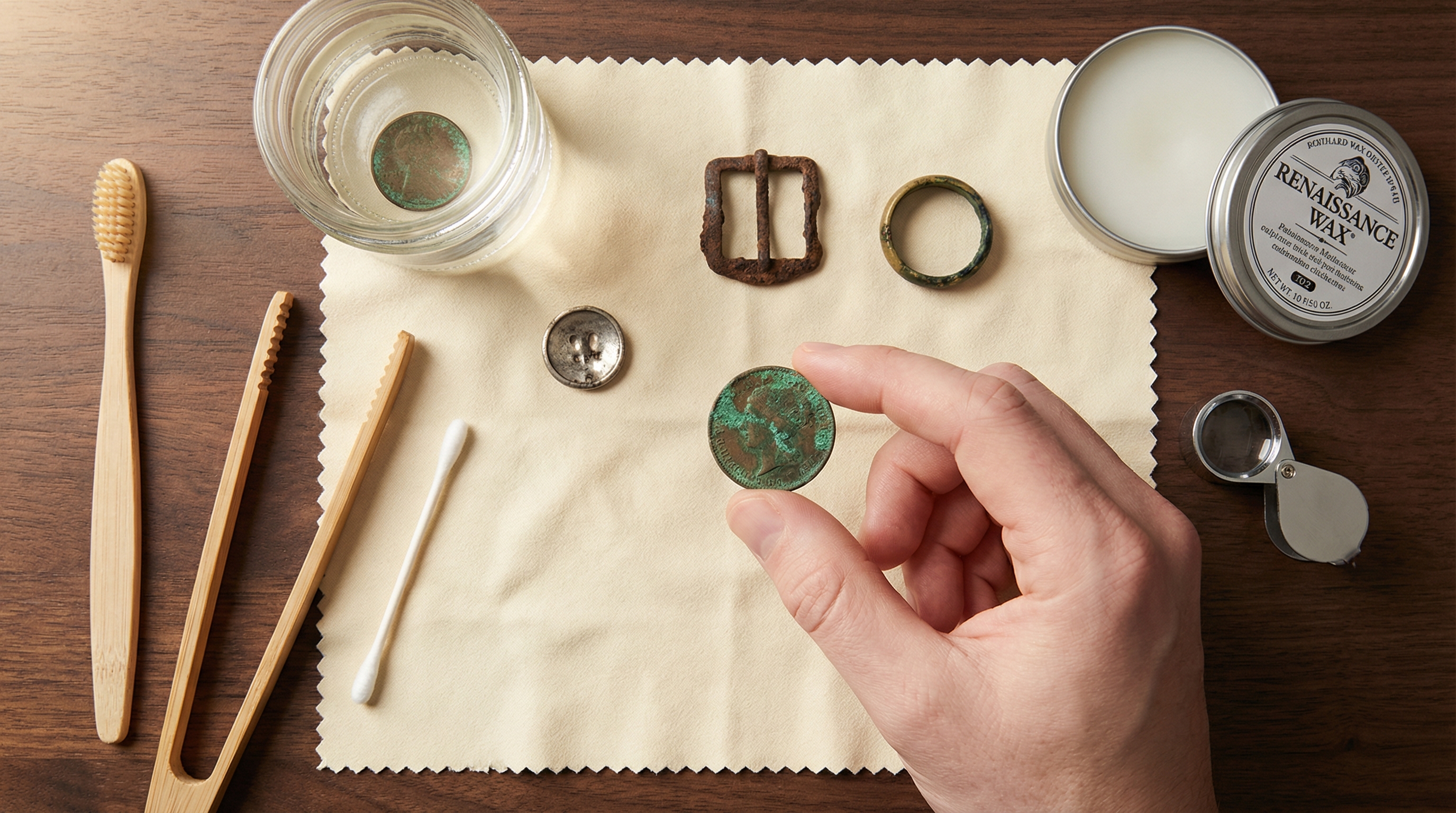
Most people learn this the hard way. You get excited, take it home, rinse it off, maybe scrub it a little, and before you know it, the details start to disappear. A coin loses its definition. A relic flakes apart. Something that survived decades or even centuries underground ends up being damaged in a matter of minutes.
The problem is, there's no single right way to handle every find.
Why Material Matters
Different materials react differently the moment they're exposed to air. Iron can start oxidizing quickly. Copper and bronze can develop or worsen corrosion if treated incorrectly. Silver might seem more stable, but aggressive cleaning can strip away details and value just as easily. Even something as simple as humidity or temperature can change how a find should be handled in those first few hours.
So most detectorists end up guessing.
You look up a quick method online, try to remember what you've heard before, or just do what feels safe in the moment. Sometimes that works. Sometimes it doesn't. And when it doesn't, there's no going back.
What's missing isn't effort. It's context.
Guidance Tied to the Find
When you know what something is made of, what condition it's in, and what environment you pulled it from, the right next step becomes a lot clearer. The issue is that most of that information isn't readily available when you need it most, which is right after the find.
That's where things start to shift.
With Aureal's Care Tips system, guidance is tied directly to the find itself instead of something you have to go search for later. As you log a find, the app uses details like the material, condition, and even the current environment to give you immediate, relevant handling advice.
If you've just recovered something iron, you might see guidance focused on slowing oxidation and avoiding common mistakes that accelerate rust. If it's bronze or copper, the advice shifts toward identifying and preventing corrosion issues like bronze disease. If it's silver, the focus changes again, helping you avoid over-cleaning or damaging surface detail.
Conditions Change Everything
It's not just about what the item is, either. The conditions matter.
If you're detecting in high humidity or after rain, certain materials become more vulnerable once they're exposed. The app can adjust its recommendations based on those conditions, helping you understand not just what to do, but how quickly you need to act.
Over time, this starts to remove a lot of the uncertainty that comes with handling finds.
Instead of guessing or relying on scattered advice, you have something consistent to fall back on, right when you need it. You start to recognize patterns, understand how different materials behave, and build better habits without having to learn everything the hard way.
Finding Is Only Half the Story
And that matters, because metal detecting isn't just about finding things.
It's about preserving them.
Every item you recover has already survived years underground. The goal is to make sure it doesn't lose its story after it's been found. And when you have the right guidance at the right moment, you're far less likely to be the reason it does.
Get care tips for every find
Aureal's Care Tips engine gives you material-specific, condition-aware preservation guidance the moment you log a find. Built into the app for every user.
Download Aureal